



AI in Your Everyday Life
Every time you scroll, like, or pause, AI is learning. This resource hub explains what AI knows, how it works, and how to use it responsibly.

Every time you scroll, like, or pause, AI is learning. This resource hub explains what AI knows, how it works, and how to use it responsibly.


Developed in partnership with the Canadian Commission for UNESCO, this is part of a broader effort to make AI literacy accessible to every young person in Canada.
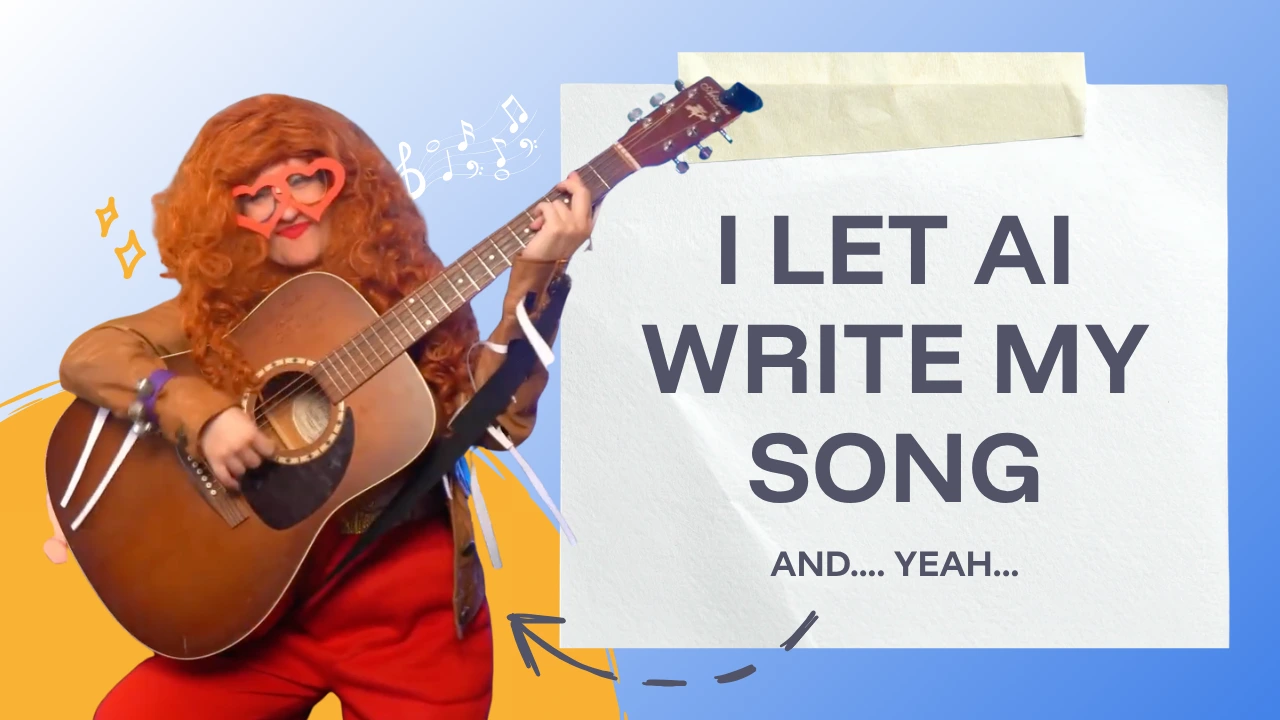
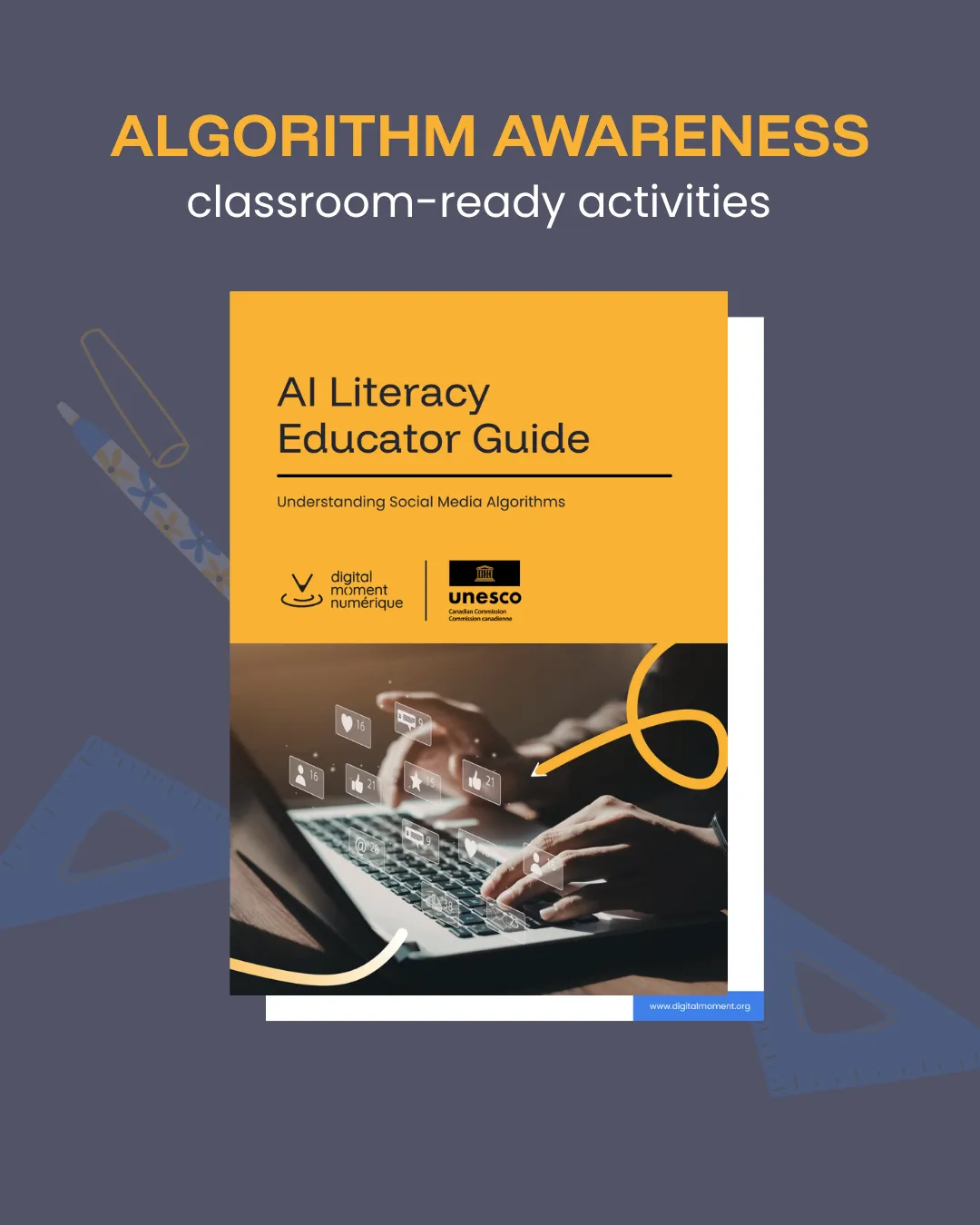
Your feed isn’t random. It’s built from everything you’ve ever liked, paused, or scrolled past. Find out what your algorithm actually knows about you.
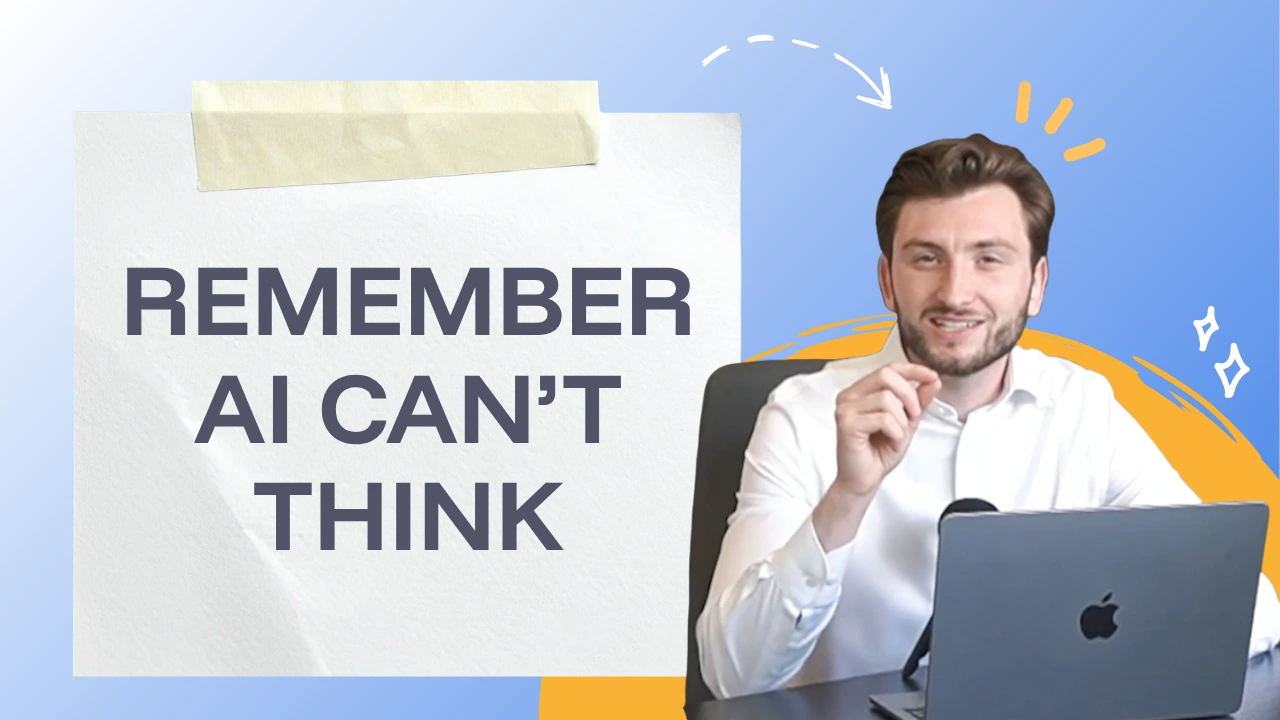
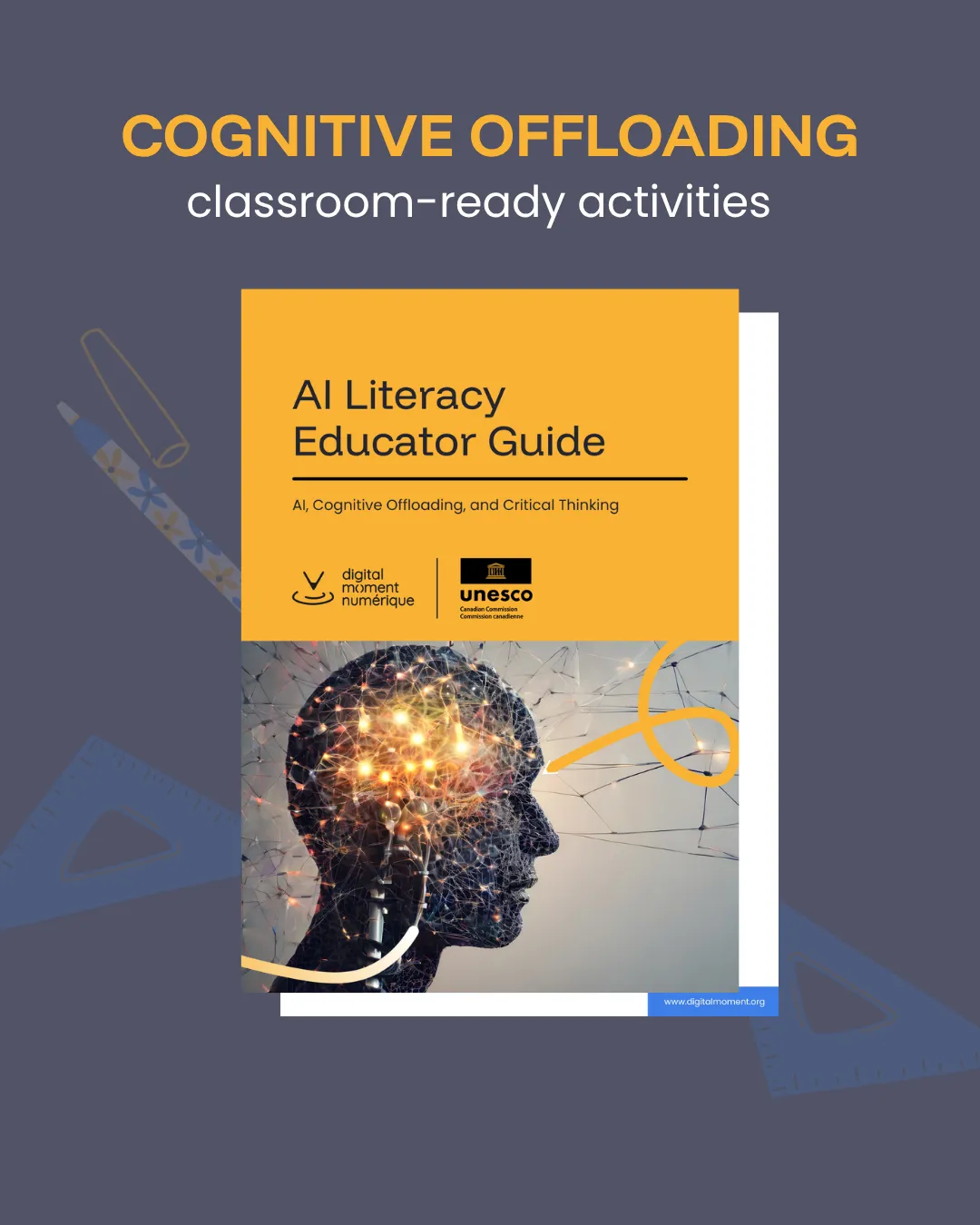
AI sounds confident even when it’s completely wrong, and that confidence is the trap. Learn why handing your thinking to AI might be costing you more than you realize.
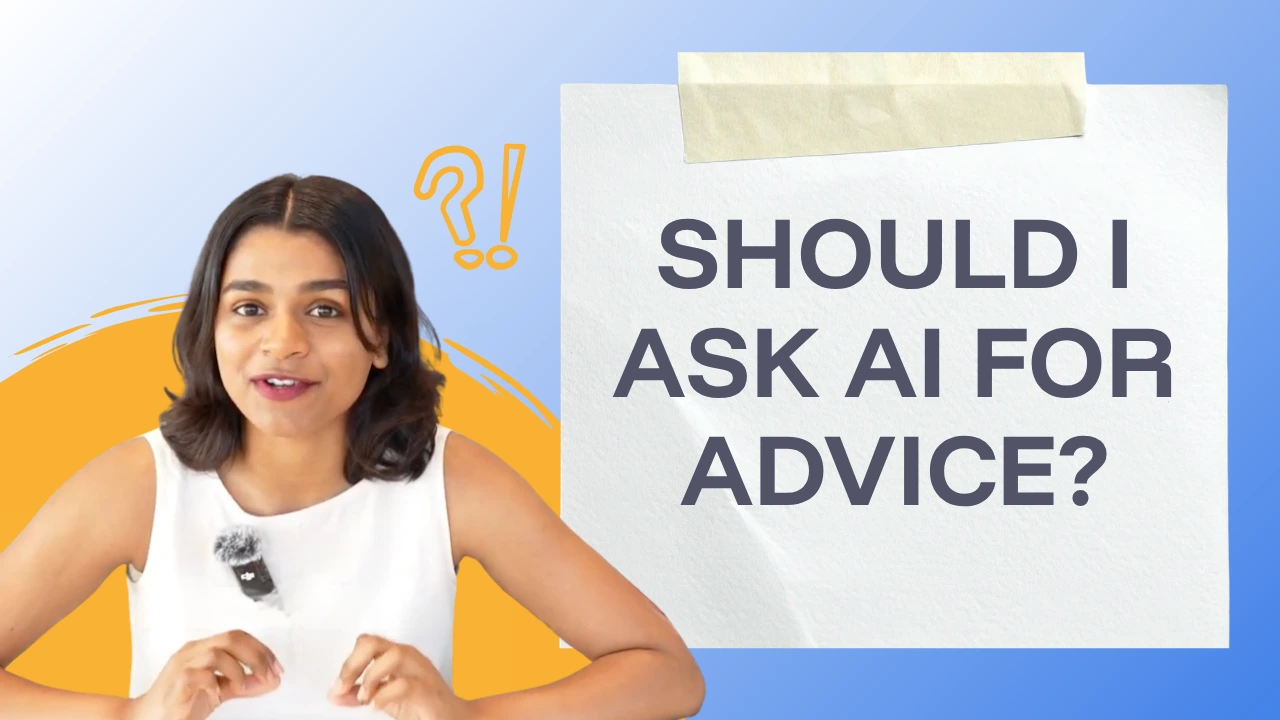
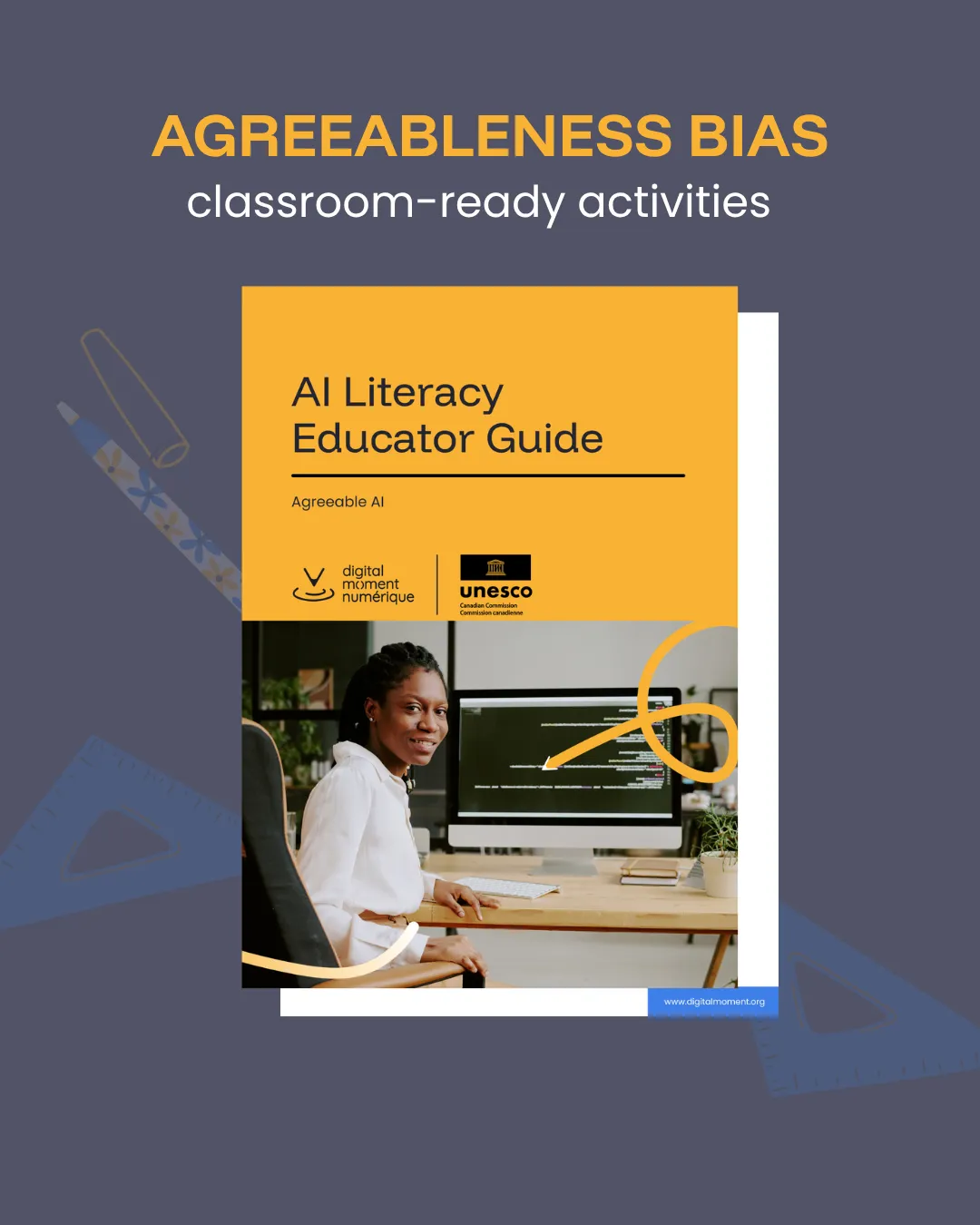
AI is designed to agree with you, not tell you the truth. Here’s why that’s a real problem when you turn to it for advice that actually matters.
The best way to understand AI is to go up against it. Pick a game and see what happens.


These are the words used to talk about AI. Now you know them too.


AI systems that filter, rank, and distribute information by learning from your data and behavior.
Social media algorithms learn from every click, scroll, pause, like, and share. They study what you engage with to build their own "rules" about your preferences, then curate your feed and recommendations - deciding which content gets your attention.
AI systems (like ChatGPT, Claude, or Gemini) that create original content such as text, images, code, or music in response to user prompts.
Unlike algorithmic AI that curates your feed, generative AI produces new outputs. It doesn't search the internet or verify facts - it generates text by predicting which words are most likely to come next based on patterns learned from massive amounts of training data.
A personalized information environment where AI algorithms show you content based on your past behavior, potentially limiting exposure to diverse perspectives.
Algorithms learn from your behavior and predict similar content you'll want to see next. This creates a bubble of content tailored to you - which can be helpful for finding things you enjoy, but also limiting because you might never encounter challenging ideas or different opinions.
A unique and personalized umbrella of information that changes the way we encounter ideas and information online.
Algorithms collect data based on what you seem to like and try to predict similar content you'll want to see next. This creates a narrow view of things it thinks you will like, potentially hiding difficult information and different opinions from you. When you only encounter information that reinforces what you already believe, it makes it seem like everyone agrees with you and limits your exposure to opposing viewpoints or factual corrections.
"Online content deliberately designed to elicit anger or outrage by being frustrating, provocative, or offensive, typically posted in order to increase traffic to or engagement with a particular web page or social media content." (Oxford University Press, 2025 Word of the Year)
Content designed to make you angry or outraged so you'll stop scrolling and react. Algorithms prioritize ragebait because anger keeps you engaged - whether the content is true or helpful doesn't matter to the algorithm.
Attributing human characteristics, emotions, or intentions to non-human things - in this case, AI systems.
When AI uses conversational language or says "I think," it's easy to forget it's a statistical prediction system, not a thinking being. Even more so when we refer to AI systems as a “friend.” AI doesn't have beliefs, feelings, or consciousness - it's a tool that generates probable word patterns.
Using external tools (like calculators, GPS, or AI) to reduce the mental effort required to complete tasks.
When AI writes your essay or solves your problem, it eliminates the thinking and problem-solving that actually build your intellectual skills. Not all offloading is bad, but it's essential to be intentional about when we utilize AI and which skills we want to retain.
When AI generates confident-sounding content that is completely fabricated or factually incorrect.
AI models predict likely word sequences based on patterns, not facts. They can produce responses that sound authoritative and detailed but require fact-checking always. Just because an AI answer sounds right doesn't mean it is right.
AI shapes what you see, what you believe, and what you think you know. Here’s why understanding it isn’t optional.
Every day, algorithms choose what shows up in your feed, your search results, and your recommendations. The version of the internet you see is different from everyone else’s, shaped entirely by your past behavior.
Platforms prioritize content that triggers strong emotional reactions. Over time, this traps you in filter bubbles where you only encounter information that confirms what you already believe, and never challenges it.
Generative AI produces confident, detailed answers by predicting likely word sequences, not by checking facts. The more you use it for topics you’re still learning, the harder it is to catch the errors.
Free guides and activities to help young people think critically about the AI shaping their everyday lives.

.avif)
.webp)
.webp)

If you'd like to learn more about AI training, book a call with our experts.
Post about it, use hashtags #AIInYourEverydayLife, and get your voice heard!


The more our world relies on technology and the digital world, the more youth need to know about algorithms and how they affect their lives. By donating to Digital Moment, you can ensure more young people get access to this essential information.


