


Code Club: Where Kids Become Digital Creators
1,200+ free clubs. 180,000+ kids per week. We believe all kids deserve the change to learn to code.

1,200+ free clubs. 180,000+ kids per week. We believe all kids deserve the change to learn to code.


Code Clubs are free, volunteer-led weekly spaces where kids aged 8–12 can explore the exciting world of:
- Games & Animations: Kids build real projects they're proud of.
- Websites & Apps: only real-world skills.
- Community & Belonging: Friendship, confidence, creative identity.
Whether you're a student looking for volunteer hours, a professional with skills to share, or a company ready to expand access to coding across Canada — this is where it starts.
Senior high school and post-secondary students can volunteer at an existing club.
Teachers, librarians, tech professionals, parents, grandparents — anyone looking for a meaningful weekly commitment. Your background is an asset, whatever it is.
Two ways to get involved:
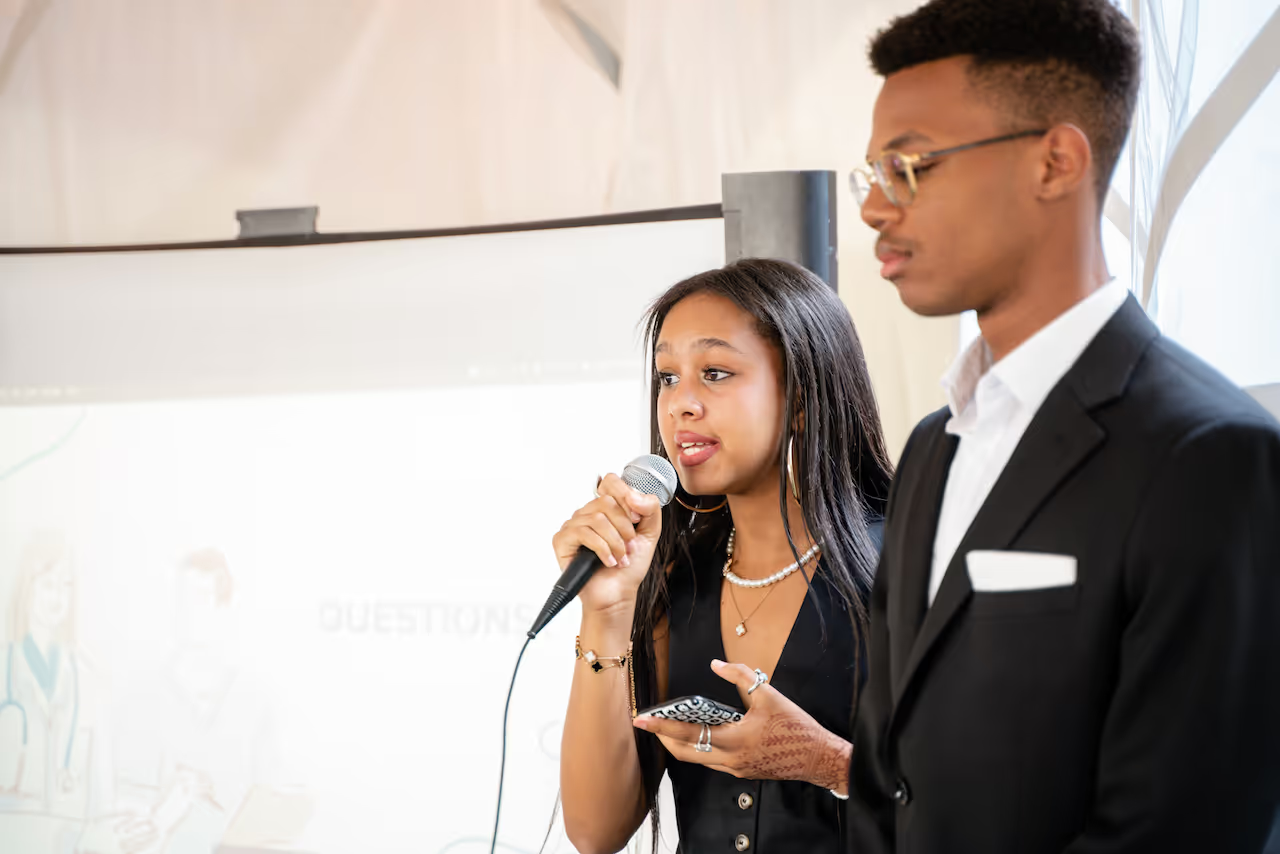
To inspire young creators, clubs need volunteers with diverse backgrounds. You don’t need to be a coder or tech expert. Your job is to:
1. Complete the project in advance to feel confident
2. Create a safe and welcoming space
3. Motivate and support participants throughout the project
4. Help review their code and problem-solve together
5. Keep it fun!
A venue is a safe and secure space with internet access and computer. Schools, public libraries, and community centers are perfect options, but hosting a virtual club is also possible!
As a leader, you commit to prepare and run a 1-hour club for 6-8 weeks. Planning sessions are quick and easy with access to over 100+ projects available in up to 40 languages program. You also recognize safeguarding youth is job #1 and commit to managing child permission forms, working only with approved volunteers, and following other Code Club policies.*
Recruit youth for your free weekly sessions! We recommend clubs of 10-15 young people aged 8-12, though younger and older youth also enjoy learning with Code Club. We’ll provide tools and tips to help you promote your club.
* We recommend two adults are always present. As part of our safeguarding policy, you will be required to provide Digital Moment with a Police Background Check that includes a Vulnerable Sector Check. Read Code Club’s policies on working safely with children.
Senior highschool and postsecondary students, parents, grandparents, teachers, tech professionals and librarians, whether retired or working— if you’re looking for a meaningful way to support kids' growth and development, we want to hear from you!
Volunteers can start, lead, or assist at a club. With access to online training and step-by-step activities, you’ll help kids unlock their creativity and develop coding skills. After 2-3 hours of self paced training, the commitment is one hour per week for 6-8 weeks.
Not only will you be giving back to your community, but you will have the opportunity to practice your skills in coding, communication and facilitation. The hours count for student community involvement. Are you ready to make a difference?
1. Find a Venue. A venue is a safe and secure space with internet access and computer. Schools, public libraries, and community centers are perfect options, but hosting a virtual club is also possible!
2. Be a Leader
As a leader, you commit to prepare and run a 1-hour club for 6-8 weeks. Planning sessions are quick and easy with access to over 100+ projects available in up to 40 languages program.
3. Recruit Youth participants
We recommend clubs of 10-15 young people aged 8-12, though younger and older youth also enjoy learning with Code Club. We’ll provide tools and tips to help you promote your club.
Visit CodeClub.org to find the Code Club closest to you. Public clubs are often found in Libraries and Community centres, whereas School clubs are usually private. If you cannot find a club near you, contact Digital Moment to learn how to get one started!
We believe in the power of community! In addition to support and group training sessions, we host regular meetups where we connect, share insights, and learn from one another.


.webp)
Canada needs more Code Clubs — in every province, in every underserved community. Corporate partners don't just fund that expansion. They show up.
Your employees volunteer their skills. Your brand is attached to measurable community impact. Your ESG report gets real numbers — not aspirations.


